Kitchen
Best Kitchen Lighting for Better Appetite and Dining Experience
May 20 2026
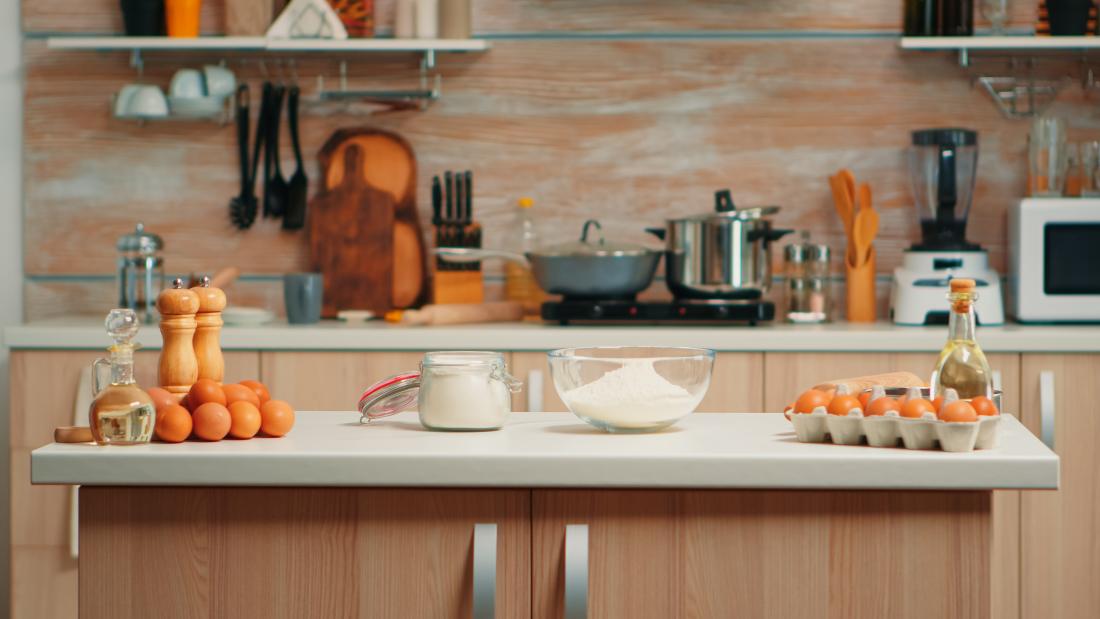
Have you ever sat down to a meal and felt like something was just off, even though the food tasted great? In many Malaysian homes, the answer is closer to the ceiling than you think. The right kitchen lighting does more than help you see what you are cooking — it shapes how food looks, how comfortable you feel at the table, and even how much you enjoy eating. Whether you live in a cozy apartment in Petaling Jaya or a landed home in Johor Bahru, choosing the best kitchen lighting can quietly transform every meal from ordinary to memorable.
This guide walks you through everything you need to know about kitchen lighting — from the science behind how light affects appetite, to the best fixtures and colour temperatures for Malaysian kitchens. By the end, you will have a clear picture of how to make your kitchen not just brighter, but a more enjoyable place to cook and dine.
It might seem surprising, but there is real science behind the connection between light and hunger. Research in environmental psychology has long shown that lighting conditions influence how we perceive food, how long we linger at the table, and even how much we eat. Warm, dim lighting tends to slow us down — we eat more leisurely, savour flavours longer, and feel more relaxed. Harsh, cold lighting, on the other hand, can make food appear less appealing and cause us to rush through meals.
In Malaysia, where food is a cultural cornerstone and mealtimes are social events, this matters enormously. Think about the warm amber glow of a good mamak stall, or the soft lighting in a quality restaurant along Jalan Ampang. These settings are not accidental — lighting is carefully considered to make food look appetising and guests feel at ease. The same principles apply directly to your home kitchen and dining area.
a. Colour Temperature: The Hidden Ingredient in Every Meal
Colour temperature is measured in Kelvin (K) and describes how warm or cool a light source appears. For kitchens and dining areas, the sweet spot generally falls between 2,700K and 3,500K. Bulbs in this range produce a warm white to soft white glow that makes food colours — especially the reds of roasted meats, the greens of fresh ulam, and the golden crust of roti — pop in a natural, appetising way.
Cool white or daylight bulbs (above 5,000K) work wonderfully for task lighting over prep areas because they make it easier to see fine details when chopping or reading recipes. However, they are not ideal as the primary dining light source, as they can cast a clinical, flat tone over food and suppress the visual warmth that makes a meal look inviting. A layered approach — warm ambient light combined with cooler task lighting — gives you the best of both worlds.
This guide walks you through everything you need to know about kitchen lighting — from the science behind how light affects appetite, to the best fixtures and colour temperatures for Malaysian kitchens. By the end, you will have a clear picture of how to make your kitchen not just brighter, but a more enjoyable place to cook and dine.
Why the Best Kitchen Lighting Affects Your Appetite
It might seem surprising, but there is real science behind the connection between light and hunger. Research in environmental psychology has long shown that lighting conditions influence how we perceive food, how long we linger at the table, and even how much we eat. Warm, dim lighting tends to slow us down — we eat more leisurely, savour flavours longer, and feel more relaxed. Harsh, cold lighting, on the other hand, can make food appear less appealing and cause us to rush through meals.
In Malaysia, where food is a cultural cornerstone and mealtimes are social events, this matters enormously. Think about the warm amber glow of a good mamak stall, or the soft lighting in a quality restaurant along Jalan Ampang. These settings are not accidental — lighting is carefully considered to make food look appetising and guests feel at ease. The same principles apply directly to your home kitchen and dining area.
a. Colour Temperature: The Hidden Ingredient in Every Meal
Colour temperature is measured in Kelvin (K) and describes how warm or cool a light source appears. For kitchens and dining areas, the sweet spot generally falls between 2,700K and 3,500K. Bulbs in this range produce a warm white to soft white glow that makes food colours — especially the reds of roasted meats, the greens of fresh ulam, and the golden crust of roti — pop in a natural, appetising way.
Cool white or daylight bulbs (above 5,000K) work wonderfully for task lighting over prep areas because they make it easier to see fine details when chopping or reading recipes. However, they are not ideal as the primary dining light source, as they can cast a clinical, flat tone over food and suppress the visual warmth that makes a meal look inviting. A layered approach — warm ambient light combined with cooler task lighting — gives you the best of both worlds.
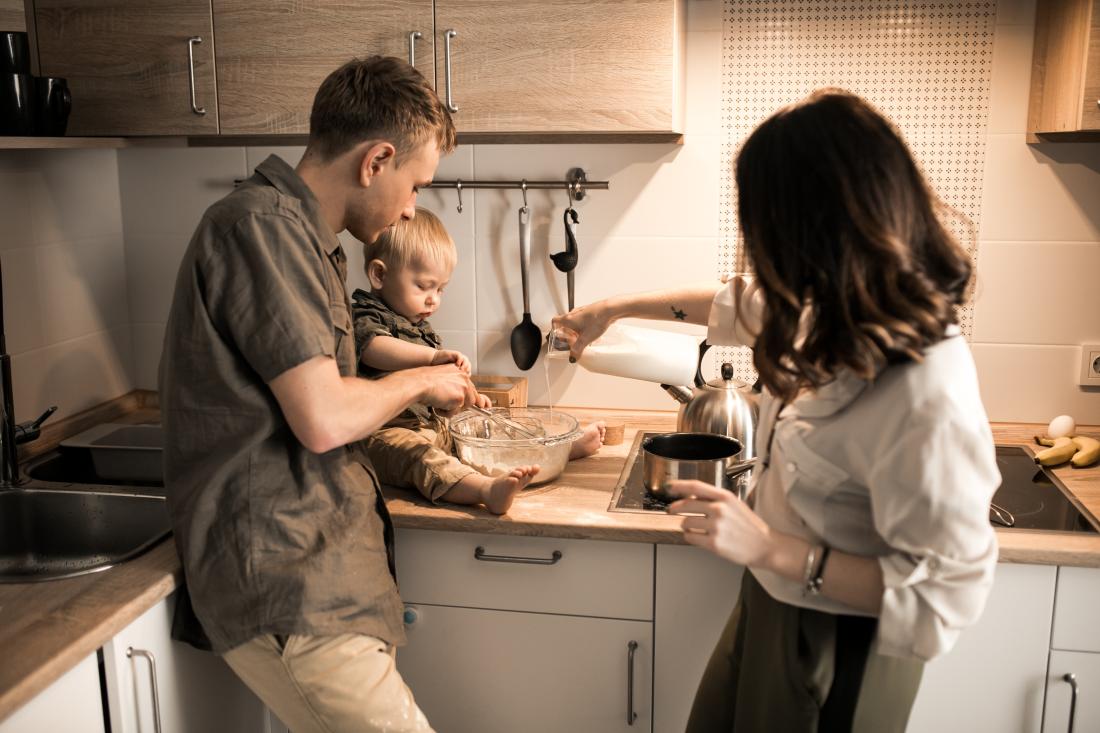
Types of Kitchen Lighting for a Better Dining Experience
Great kitchen lighting is rarely a single fixture doing all the work. Professional designers and lighting experts typically recommend a layered approach that combines three types of lighting: ambient, task, and accent. Understanding how each layer contributes to your kitchen's overall dining experience will help you make smarter choices when shopping for fixtures in Malaysia.
a. Ambient Lighting: Setting the Overall Mood
Ambient lighting is the foundational layer — it provides the general illumination that fills the room. In most Malaysian kitchens, this comes from ceiling-mounted fixtures or recessed downlights. For a dining experience that feels comfortable rather than interrogative, opt for dimmable ambient lights. Being able to dial down the brightness during dinner, especially in the evenings, helps create a relaxed atmosphere that encourages slower, more enjoyable eating.
LED panel lights and oyster ceiling lights are popular choices in Malaysian homes for good reason — they are energy-efficient (important given our warm climate and year-round cooling needs), widely available at hardware stores and electrical shops, and come in a range of colour temperatures. If you are renovating, consider installing a dimmer switch alongside your main ambient fixture. It is a small upgrade that makes a significant difference to your daily dining experience.
b. Task Lighting: Practical Brightness Where You Need It Most
Task lighting is directed, focused illumination designed to help you work safely and efficiently. In the kitchen, this means lighting above your stove, sink, and food preparation counter. Under-cabinet strip lights are among the most effective and aesthetically clean solutions — they bathe the countertop in even, shadow-free light without creating glare in the rest of the room.
For Malaysian kitchens where cooking often involves multiple burners running simultaneously and precise knife work for dishes like nasi lemak or char kuey teow, good task lighting is not a luxury — it is a safety requirement. Look for LED strip lights or puck lights that can be fitted underneath your wall cabinets. Many are now available with plug-and-play installation, making them accessible even if you are renting your home and cannot do any permanent wiring.
c. Accent Lighting: The Finishing Touch for Your Dining Experience
Accent lighting adds depth and visual interest to your kitchen space. It might illuminate open shelving displaying your favourite ceramics, highlight a feature wall behind your dining table, or draw attention to a beautiful piece of art. While accent lighting is the least functional of the three layers, it contributes enormously to the ambience of a dining experience.
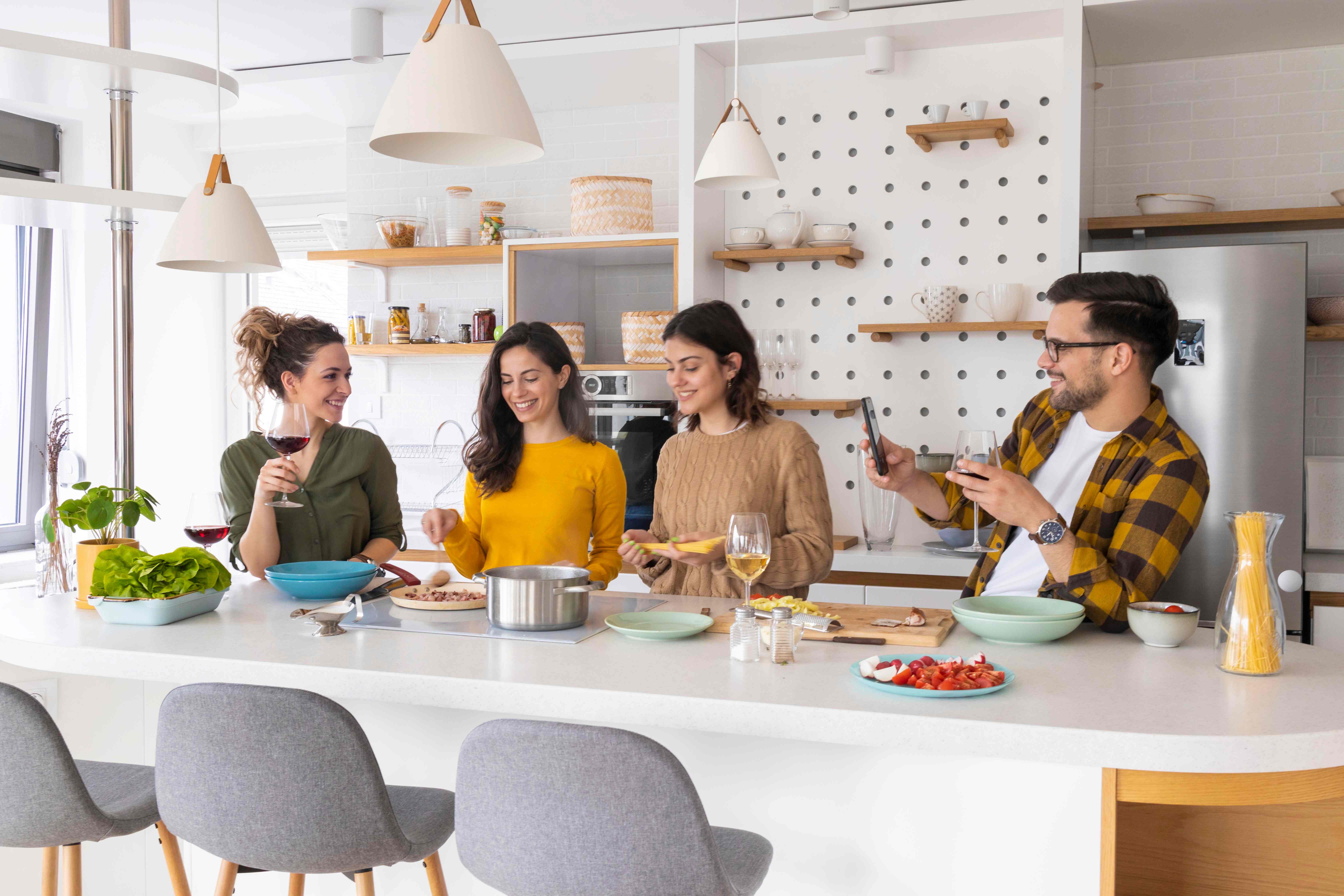
In Malaysian homes, especially in condominiums where open-plan kitchen and living areas are common, accent lighting helps define the dining zone within a larger space. A pendant light hung low over the dining table is one of the most effective accent and ambient lighting combinations available — it draws the eye, creates an intimate dining pocket, and casts flattering warm light directly over your food.
Best Kitchen Lighting Fixtures for Malaysian Homes
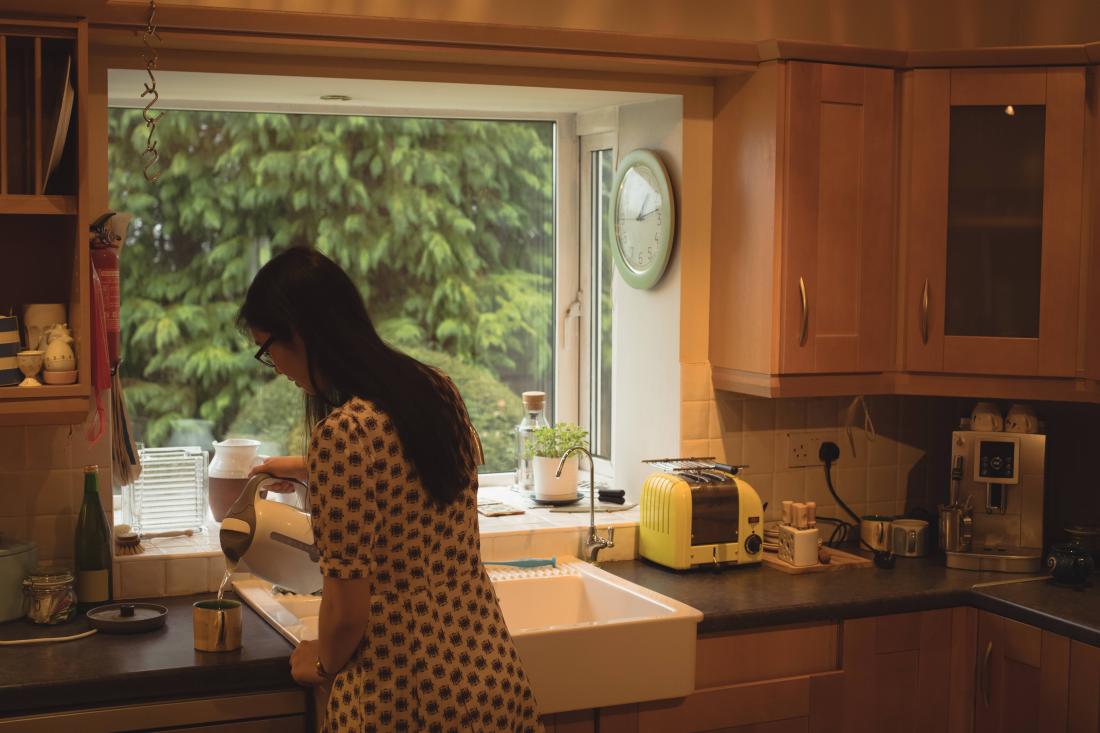
Choosing the right fixture involves balancing aesthetics, practicality, and budget. Malaysian homes range from modern high-rise condominiums in Kuala Lumpur to traditional terraced houses in smaller towns, and each calls for slightly different lighting solutions. Here is a breakdown of the best kitchen lighting fixtures and what they do best.
1. Pendant Lights: Style Meets Function Over the Dining Table
Pendant lights are perhaps the single most impactful upgrade you can make to your kitchen dining area. Hung at the right height — generally around 70 to 80 centimetres above a dining table surface — a pendant light creates an immediate sense of intimacy. It focuses light on the table and the food, which naturally draws the eye downward and encourages people to engage with their meal and with each other.
For a modern Malaysian kitchen, rattan or woven pendant shades have become increasingly popular because they echo traditional Malay craft while fitting cleanly into contemporary interiors. They also diffuse light beautifully, casting soft patterns on the ceiling and walls that add warmth without overwhelming the space. If your kitchen island doubles as a casual dining spot, a row of two or three smaller pendants hung in a line creates a clean, restaurant-quality look.
2. Recessed Downlights: Clean, Versatile, and Low-Maintenance
Recessed downlights are the workhorses of modern kitchen lighting. Installed flush with the ceiling, they deliver clean, consistent illumination without taking up any visual space. In Malaysia's compact urban kitchens, this is a significant advantage — they keep the room feeling open while still providing good light coverage.
The key to making downlights work well for dining is spacing and dimming capability. Downlights placed too close together create a harsh, overly bright environment — more clinical than comfortable. Spaced thoughtfully and fitted with a dimmer, they can shift effortlessly from bright prep lighting during cooking to soft, mood-appropriate illumination at mealtime. This flexibility is particularly valuable in open-plan Malaysian homes where the kitchen and dining area share the same ceiling plane.
3. Under-Cabinet and Strip Lights: Functional and Surprisingly Stylish
Under-cabinet lighting has evolved significantly in recent years. What was once a purely utilitarian feature has become a genuine design element. LED strip lights tucked beneath wall cabinets not only illuminate your prep area perfectly, they also add a warm glow to the backsplash that can make even a simple tile finish look polished and intentional.
For renters or homeowners in Malaysia who want an upgrade without committing to electrical work, plug-in LED strips are widely available at hardware stores like Mr DIY, ACE Hardware, and online platforms. Many come with adhesive backing and remote controls, making installation a weekend project that can genuinely change how your kitchen feels to work and eat in.
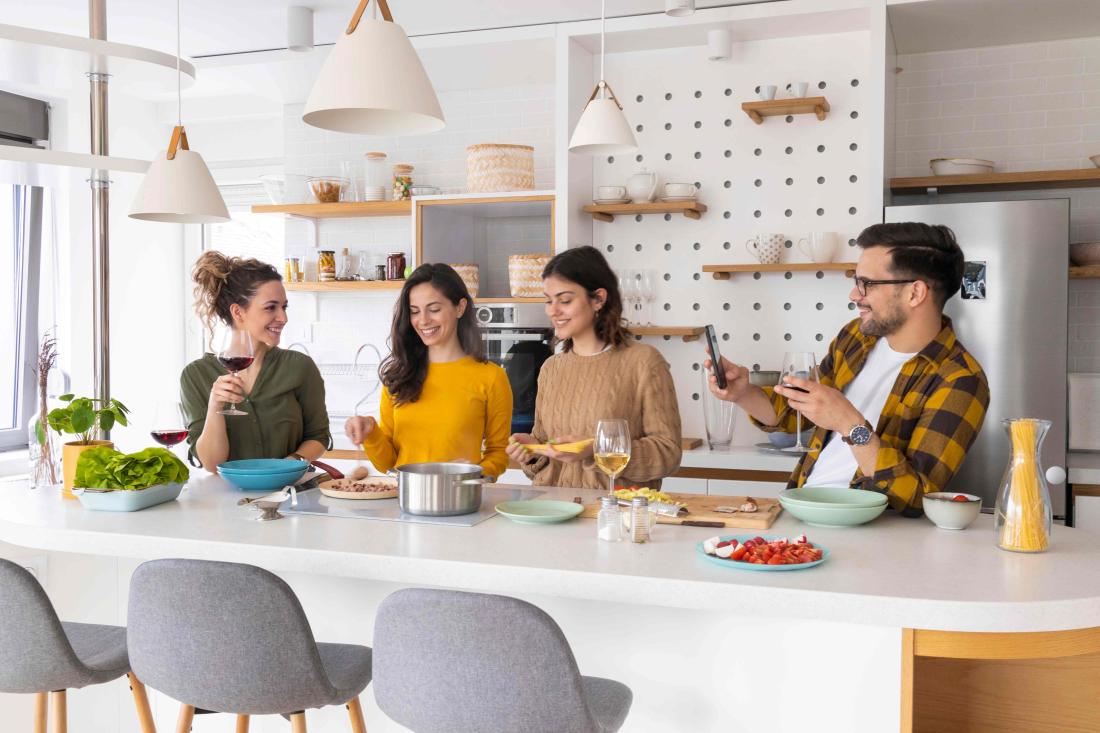
Common Kitchen Lighting Mistakes That Ruin the Dining Experience
Even with the best intentions, it is easy to get kitchen lighting wrong. Understanding the most common mistakes helps you avoid them — and potentially rethink the lighting you already have.
Relying on a single overhead light is probably the most widespread mistake in Malaysian homes. One central ceiling light creates flat, shadowless illumination that is neither flattering to food nor comfortable for the eyes during a meal. It is the lighting equivalent of wearing a single outfit for every occasion — functional but missing the mark.
Using the wrong colour temperature is another common issue. Many homeowners purchase whatever LED bulbs are available without considering colour temperature, ending up with a cold bluish light that makes food look grey and unappealing. Always check the Kelvin rating on the packaging — a bulb labelled "warm white" or rated between 2,700K and 3,000K will serve your dining table far better than a "cool white" or "daylight" option.
Neglecting dimming capability is a missed opportunity that is hard to fix after the fact. If your existing wiring and switches allow for it, installing a dimmer when you next replace a light switch is one of the highest return-on-investment lighting upgrades available. It costs very little and gives you complete control over the atmosphere of your dining space at any time of day.
Practical Tips for Choosing the Best Kitchen Lighting in Malaysia
Shopping for kitchen lighting in Malaysia has become easier than ever, with a wide range of products available across price points. Here are a few practical considerations to keep in mind as you plan your lighting upgrade.
Humidity matters in Malaysian kitchens. Our climate means that kitchens, particularly those adjacent to wet cooking areas, experience higher humidity than in many other countries. When selecting fixtures, look for those with an IP rating of at least IP44, which indicates protection against splashing water. This is especially important for lights installed directly above the stove or sink.
Energy efficiency is increasingly important as electricity costs in Malaysia continue to rise. LED lighting uses up to 80 percent less energy than traditional incandescent bulbs and lasts many times longer. Given that kitchen lights are often in use for several hours each day, the long-term savings are meaningful. Look for the Energy Commission's energy label when purchasing, and prioritise products with higher star ratings.
If you are unsure where to start, consider consulting a licensed electrician or an interior lighting consultant. Many kitchen showrooms in Malaysia — particularly in Klang Valley areas like Kepong and Cheras — have showroom spaces where you can see different lighting setups in action before committing. Seeing how warm versus cool light affects the same kitchen display is far more instructive than any product specification sheet.
Final Thoughts on the Best Kitchen Lighting for Your Home
Good kitchen lighting is one of those home improvements that works quietly in the background, making every single meal a little better without demanding attention. It does not shout for recognition — it simply makes the food look more inviting, the space feel more comfortable, and the time spent around the table more enjoyable.
For Malaysian homeowners and renters, the good news is that meaningful improvements do not require a full renovation. Swapping a cold white bulb for a warm white alternative, adding an affordable LED strip beneath your cabinets, or installing a single well-chosen pendant over your dining table can make an immediate and noticeable difference. Start small if you need to — even one change in the right direction will remind you, at every meal, that good lighting is worth the effort.